
BLOG
Ceramic Ornament: Blending Tradition, Craftsmanship, and Modern Design
Release time:
2026-04-03
Fancy ceramic ornament factory offering elegant designs, fine craftsmanship, and high-quality materials for decorative and gift applications

Ceramic ornaments have long been valued as decorative items that combine artistic expression with functional craftsmanship. From traditional handmade figurines to modern decorative pieces, ceramic ornaments play an important role in home décor, cultural representation, and gift markets. With the evolution of design trends and manufacturing technologies, ceramic ornaments continue to gain popularity across global markets, offering both aesthetic value and cultural significance.
Ceramic ornaments are typically made from natural clay materials that are shaped, fired, and finished through a series of processes. These processes may include molding, carving, glazing, and high-temperature firing, which give each piece its unique texture, color, and durability. The final products can range from simple decorative items to highly detailed artistic works, reflecting the creativity and skill of artisans and manufacturers.
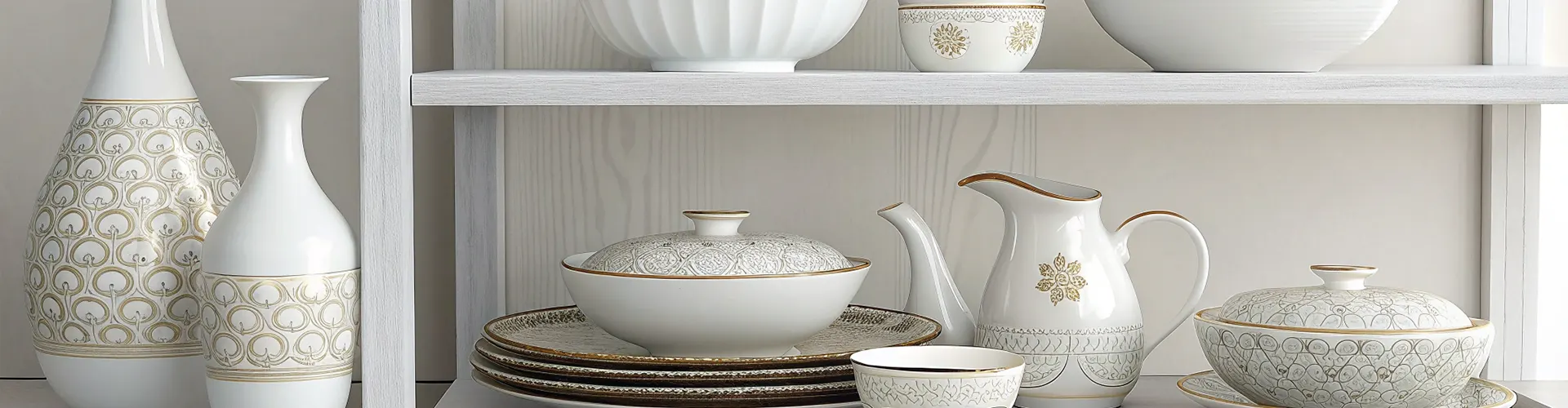
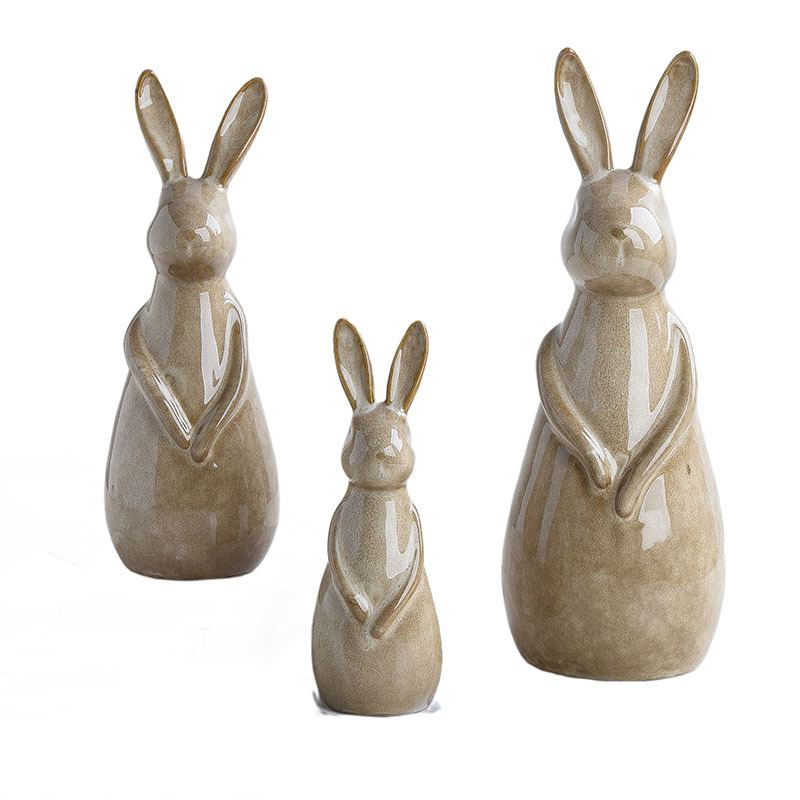
One of the key features of ceramic ornaments is their versatility in design. They can be produced in a wide variety of shapes, sizes, and styles to suit different preferences and applications. Common forms include figurines, sculptures, vases, holiday decorations, and themed ornaments for special occasions. Whether used as standalone decorative pieces or as part of a larger interior design concept, ceramic ornaments add character and visual interest to any space.
In home décor, ceramic ornaments are widely used to enhance interior aesthetics. They can be placed in living rooms, bedrooms, offices, and public spaces to create a warm and inviting atmosphere. Their natural textures and artistic finishes complement various design styles, including modern, minimalist, rustic, and traditional interiors. In addition, ceramic ornaments are often used in combination with lighting, plants, or other decorative elements to create layered and dynamic visual effects.
Ceramic ornaments also hold cultural and symbolic value in many regions. In various traditions, they are used to represent beliefs, customs, and historical narratives. For example, certain ceramic figures may symbolize luck, prosperity, or protection, making them popular as gifts or collectibles. During festivals and holidays, themed ceramic ornaments are widely used for decoration, contributing to the festive atmosphere and cultural expression.
The manufacturing of ceramic ornaments has evolved significantly with the introduction of modern production techniques. While traditional handcrafted methods remain highly valued for their uniqueness and artistic quality, mass production technologies such as slip casting and automated glazing have enabled large-scale manufacturing with consistent quality. This combination of traditional craftsmanship and modern efficiency allows manufacturers to meet diverse market demands.
In terms of material properties, ceramic ornaments are known for their durability, heat resistance, and long service life. Once fired at high temperatures, ceramics become hard and stable, making them suitable for long-term display. The glazed surface not only enhances visual appeal but also provides protection against moisture and stains. These characteristics make ceramic ornaments a reliable choice for both indoor and certain outdoor decorative applications.
Sustainability is becoming an increasingly important consideration in the production and use of ceramic ornaments. As consumers become more environmentally conscious, manufacturers are exploring eco-friendly materials and energy-efficient production processes. Natural clay materials and long product lifespans contribute to reduced environmental impact compared to disposable decorative items.
Ceramic ornaments are also widely used in the gift and souvenir industry. Their artistic value and customizable designs make them ideal for personalized gifts, promotional items, and cultural souvenirs. Businesses can incorporate logos, themes, or special designs into ceramic ornaments to create unique branding opportunities. This flexibility enhances their appeal in both retail and corporate markets.
Another emerging trend in ceramic ornament design is the integration of technology and innovation. Some modern products incorporate LED lighting, smart features, or mixed materials to create more interactive and visually engaging decorations. These innovations expand the functionality of ceramic ornaments while maintaining their traditional aesthetic appeal.
Quality control is an essential aspect of ceramic ornament production. Manufacturers must ensure consistency in shape, color, and finish while avoiding defects such as cracks, uneven glazing, or structural weaknesses. Strict inspection processes help maintain product standards and ensure customer satisfaction.
In conclusion, ceramic ornaments represent a harmonious blend of tradition, artistry, and modern design. Their versatility, durability, and cultural significance make them a valuable addition to both residential and commercial spaces. As design trends continue to evolve and consumer preferences shift toward personalized and sustainable products, ceramic ornaments will remain an important and enduring element in the global décor and gift market.

TEL: +86 18650113563
E-mail: info@panshion.com
Whatsapp: +60 18 760 6632
FACTRY Unit : Baomei Industrial area , Dehua county , Quanzhou,Fujian P.R., China. 362500.
OFFICE Unit : Donghai Cross-Border Eco Park, Bldg 4, Units 212-214, Fengze, Quanzhou, Fujian P.R., China 362000


Leave Message
Statement
Privacy Statement
This privacy policy discloses the privacy practices for Quanzhou Panshion Gift Co.,Ltd. Tools. This privacy policy applies solely to information collected by this web site. It will notify you of the following:
What personally identifiable information is collected from you through the web site, how it is used and with whom it may be shared.
What choices are available to you regarding the use of your data.
The security procedures in place to protect the misuse of your information.
How you can correct any inaccuracies in the information.
Information Collection, Use, and Sharing
We are the sole owners of the information collected on this site. We only have access to/collect information that you voluntarily give us via email or other direct contact from you. We will not sell or rent this information to anyone.
We will use your information to respond to you, regarding the reason you contacted us. We will not share your information with any third party outside of our organization, other than as necessary to fulfill your request, e.g. to ship an order.
Unless you ask us not to, we may contact you via email in the future to tell you about specials, new products or services, or changes to this privacy policy.
Your Access to and Control Over Information
You may opt out of any future contacts from us at any time. You can do the following at any time by contacting us via the email address or phone number given on our website:
See what data we have about you, if any.
Change/correct any data we have about you.
Have us delete any data we have about you.
Express any concern you have about our use of your data.
Security
We take precautions to protect your information. When you submit sensitive information via the website, your information is protected both online and offline.
Wherever we collect sensitive information (such as credit card data), that information is encrypted and transmitted to us in a secure way. You can verify this by looking for a closed lock icon at the bottom of your web browser, or looking for “https” at the beginning of the address of the web page.
While we use encryption to protect sensitive information transmitted online, we also protect your information offline. Only employees who need the information to perform a specific job (for example, billing or customer service) are granted access to personally identifiable information. The computers/servers in which we store personally identifiable information are kept in a secure environment.
Updates
Our Privacy Policy may change from time to time and all updates will be posted on this page.
If you feel that we are not abiding by this privacy policy, you should contact us immediately via e-mail donshin@panshion.com
Powered by 300.cn