

BLOG
The Profound Impact of Ceramic Cups and Saucers on Global Beverage Culture
Release time:
2026-02-20
The Profound Impact of Ceramic Cups and Saucers on Global Beverage Culture Ceramic cups and saucers have transcended mere functionality; they represent a rich tapestry of cultural significance, artistry, and tradition. As we delve into the intricate relationship between these beautiful pieces of drinkware and global beverage culture, we will explore their history, craftsmanship, and enduring influ
The Profound Impact of Ceramic Cups and Saucers on Global Beverage Culture
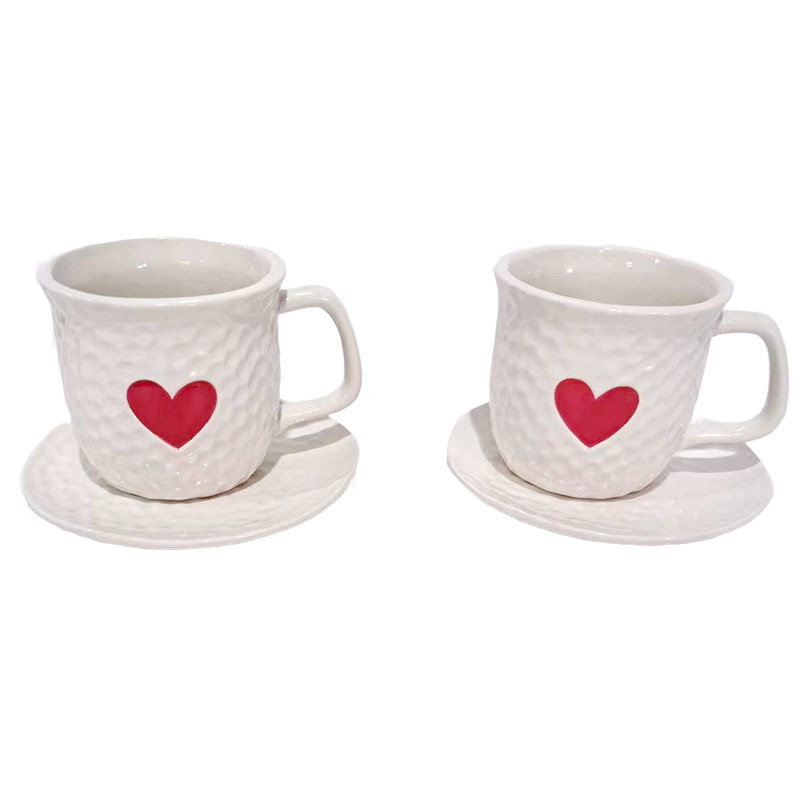
Ceramic cups and saucers have transcended mere functionality; they represent a rich tapestry of cultural significance, artistry, and tradition. As we delve into the intricate relationship between these beautiful pieces of drinkware and global beverage culture, we will explore their history, craftsmanship, and enduring influence on how we experience beverages today.
The Historical Significance of Ceramic Drinkware
Understanding the influence of ceramic cups and saucers requires a journey back in time. The origin of ceramic ware dates back thousands of years, with early examples found in ancient China, where pottery was first developed. This section traces the evolution of ceramics and their pivotal role in beverage consumption through various cultures.
The Birth of Ceramic Pottery
Ceramic pottery emerged as one of the earliest forms of human creation, dating back to around 29,000 BCE. The Chinese, especially during the Tang and Ming dynasties, perfected the art of porcelain making, leading to the creation of exquisite cups and saucers that were not only functional but also highly decorative.
Ceramics in Global Cultures
As trade routes expanded, so too did the popularity of ceramic drinkware. From the delicate teacups of Japan to the robust coffee mugs of Europe, ceramic styles adapted to the cultural practices of different regions. The significance of these items in rituals, ceremonies, and daily life varies, showcasing the diverse ways in which beverage culture is expressed around the world.
The Artistry Behind Ceramic Cups and Saucers
The craftsmanship involved in creating ceramic cups and saucers is nothing short of extraordinary. This section examines the artistic processes, techniques, and innovations that have influenced their design over the centuries.
Hand-Crafting Techniques
Many artisans still employ traditional hand-crafting methods when creating ceramic drinkware. Techniques such as slip casting, hand painting, and glazing contribute to the uniqueness of each piece. The artistry is not just in the form but also in the intricate designs that reflect cultural motifs and personal stories.
The Role of Glazing in Design
Glazing is a critical step in ceramic production, providing both aesthetic appeal and functional durability. Various glazing techniques can yield different finishes, colors, and textures, which significantly enhance the overall drinking experience.
The Cultural Impact of Ceramic Drinkware on Beverage Consumption
Ceramic cups and saucers play a vital role in the rituals surrounding beverage consumption. This section delves into how these items have influenced social interactions and cultural practices related to drinking.
Ceramic Cups in Tea Culture
Particularly in Asian cultures, ceramic cups are integral to tea ceremonies. In Japan, for example, the tea ceremony is a highly ritualized affair where the choice of cup can greatly enhance the experience of savoring tea. The aesthetics of the cup, along with its history, contribute to the overall ambiance of the occasion.
Coffee Culture and the Role of Mugs
In many Western cultures, ceramic mugs have become synonymous with coffee consumption. The tactile experience of holding a ceramic mug, combined with the aroma of freshly brewed coffee, creates a sensory experience that enhances enjoyment. Different styles of mugs cater to various preferences, from simple and functional to ornate and artistic.
Modern Trends in Ceramic Beverage Ware
As we move into the 21st century, the trends surrounding ceramic cups and saucers are continually evolving. This section examines contemporary designs, sustainable practices, and the resurgence of handmade ceramics in the market.
Sustainability in Ceramic Production
With a growing emphasis on sustainability, many artisans and manufacturers are adopting eco-friendly practices. Using locally sourced materials and natural glazes, they create beautiful, sustainable pieces that appeal to environmentally conscious consumers.
Influence of Social Media on Ceramic Trends
Social media platforms have played a crucial role in popularizing unique ceramic designs. The aesthetic appeal of beautifully crafted cups and saucers has led to a surge in interest, inspiring enthusiasts to curate their collections and share their experiences online.
Collecting Ceramic Cups and Saucers
The act of collecting ceramic cups and saucers has become a beloved hobby for many. This section discusses the motivations behind collecting, the value of antique pieces, and the joy of discovering unique items.
The Joy of Collecting
Collectors often cite the thrill of the hunt as a primary motivation. Finding a rare piece or an item with a unique history brings joy and satisfaction, making the journey of collecting just as meaningful as the final collection itself.
Valuing Antique Ceramics
Antique ceramic cups and saucers can hold significant value, both financially and sentimentally. Understanding the intricacies of appraisal and the factors that contribute to a piece’s worth can enhance the collector's experience.
FAQs About Ceramic Cups and Saucers
1. What materials are commonly used in ceramic cup and saucer production?
Ceramic cups and saucers are primarily made from clay, which is then fired at high temperatures. Common materials include earthenware, stoneware, and porcelain, each offering distinct characteristics and uses.
2. How do I care for my ceramic cups and saucers?
To maintain ceramic pieces, hand washing with mild soap and avoiding abrasive materials is recommended. If the items are dishwasher or microwave safe, always refer to the manufacturer's guidelines.
3. Are ceramic cups better than glass or plastic for beverages?
Ceramic cups offer excellent insulation, keeping drinks hot or cold longer than glass or plastic. They also add an aesthetic appeal that enhances the drinking experience.
4. What are some popular designs for ceramic cups and saucers?
Popular designs range from traditional patterns like floral motifs to modern geometric shapes. The choice often reflects personal style and cultural influences.
5. How can I start a ceramic cup and saucer collection?
Begin by researching different styles and types of ceramics. Visit local markets, antique shops, and online platforms to discover unique pieces. Joining collector groups can also provide valuable insights and tips.
Conclusion
Ceramic cups and saucers have significantly influenced global beverage culture, intertwining functionality with artistry and tradition. Their rich history, craftsmanship, and cultural relevance continue to shape how we enjoy our favorite drinks. As we embrace modern trends and sustainable practices, we recognize that these timeless pieces will remain integral to our beverage experiences. By appreciating the artistry and culture behind ceramic drinkware, we not only elevate our drinking rituals but also connect with the rich tapestry of history that these items represent.

TEL: +86 18650113563
E-mail: info@panshion.com
Whatsapp: +60 18 760 6632
FACTRY Unit : Baomei Industrial area , Dehua county , Quanzhou,Fujian P.R., China. 362500.
OFFICE Unit : Donghai Cross-Border Eco Park, Bldg 4, Units 212-214, Fengze, Quanzhou, Fujian P.R., China 362000


Leave Message
Statement
Privacy Statement
This privacy policy discloses the privacy practices for Quanzhou Panshion Gift Co.,Ltd. Tools. This privacy policy applies solely to information collected by this web site. It will notify you of the following:
What personally identifiable information is collected from you through the web site, how it is used and with whom it may be shared.
What choices are available to you regarding the use of your data.
The security procedures in place to protect the misuse of your information.
How you can correct any inaccuracies in the information.
Information Collection, Use, and Sharing
We are the sole owners of the information collected on this site. We only have access to/collect information that you voluntarily give us via email or other direct contact from you. We will not sell or rent this information to anyone.
We will use your information to respond to you, regarding the reason you contacted us. We will not share your information with any third party outside of our organization, other than as necessary to fulfill your request, e.g. to ship an order.
Unless you ask us not to, we may contact you via email in the future to tell you about specials, new products or services, or changes to this privacy policy.
Your Access to and Control Over Information
You may opt out of any future contacts from us at any time. You can do the following at any time by contacting us via the email address or phone number given on our website:
See what data we have about you, if any.
Change/correct any data we have about you.
Have us delete any data we have about you.
Express any concern you have about our use of your data.
Security
We take precautions to protect your information. When you submit sensitive information via the website, your information is protected both online and offline.
Wherever we collect sensitive information (such as credit card data), that information is encrypted and transmitted to us in a secure way. You can verify this by looking for a closed lock icon at the bottom of your web browser, or looking for “https” at the beginning of the address of the web page.
While we use encryption to protect sensitive information transmitted online, we also protect your information offline. Only employees who need the information to perform a specific job (for example, billing or customer service) are granted access to personally identifiable information. The computers/servers in which we store personally identifiable information are kept in a secure environment.
Updates
Our Privacy Policy may change from time to time and all updates will be posted on this page.
If you feel that we are not abiding by this privacy policy, you should contact us immediately via e-mail donshin@panshion.com
Powered by 300.cn