
BLOG
Why Ceramic Cups and Saucers Make the Best Collectible Items
Release time:
2026-01-20
Why Ceramic Cups and Saucers Make the Best Collectible Items Introduction to Ceramic Collectibles Ceramic cups and saucers have long captivated collectors with their unique blend of artistry, history, and functionality. As collectible items, they offer not only aesthetic pleasure but also a deep connection to cultural heritage. In this article, we will explore why these exquisite pieces make the b
Why Ceramic Cups and Saucers Make the Best Collectible Items
Introduction to Ceramic Collectibles
Ceramic cups and saucers have long captivated collectors with their unique blend of artistry, history, and functionality. As collectible items, they offer not only aesthetic pleasure but also a deep connection to cultural heritage. In this article, we will explore why these exquisite pieces make the best collectibles, focusing on their craftsmanship, historical significance, aesthetic value, and the joy they bring to collectors.
The Allure of Ceramics: A Brief History
Ceramics have a rich history that dates back thousands of years. From ancient civilizations to contemporary artisans, the evolution of ceramic craftsmanship reflects cultural narratives and technological advancements. The journey of ceramic cups and saucers is no different.
The Origin of Ceramic Cups and Saucers
The use of ceramic materials for creating cups and saucers can be traced back to the Han Dynasty in China (206 BCE – 220 CE). Initially, these items were utilitarian, serving everyday functions in households. Over time, they transformed into symbols of status and refined taste, especially during the Ming and Qing Dynasties, where porcelain became highly sought after across the globe.
Significant Cultural Influences
As trade routes expanded, ceramics became a canvas for cultural exchange. The introduction of European porcelain in the 18th century marked a pivotal moment, leading to the creation of unique styles and designs. Ceramics from regions like Delft in the Netherlands and Staffordshire in England introduced innovative techniques that still influence modern pottery.
Understanding the Craftsmanship Behind Ceramic Cups and Saucers
The craftsmanship involved in creating ceramic cups and saucers is both an art and a science. The quality, design, and finishing techniques greatly affect their collectability.
Materials Used in Ceramics
Primarily, ceramics are made from clay, which is shaped and fired at high temperatures. The type of clay used can significantly impact the final product. Stoneware, earthenware, and porcelain are the most common types of ceramics. Porcelain, known for its strength and translucence, is particularly prized among collectors.
Artistic Techniques in Ceramic Production
Various techniques, including hand-painting, glazing, and transfer printing, contribute to the uniqueness of each piece. Collectors often seek out items that showcase intricate designs or rare production methods, enhancing their value and appeal.
Hand-Painted vs. Mass-Produced
While mass-produced items can be beautiful, hand-painted pieces often carry greater sentimental and financial value. Collectors appreciate the time and effort that go into creating these one-of-a-kind items, making them more desirable in the marketplace.
Why Collect Ceramic Cups and Saucers?
The decision to collect ceramic cups and saucers can stem from various motivations, including aesthetic appreciation, historical curiosity, or investment potential.
Aesthetic Appeal
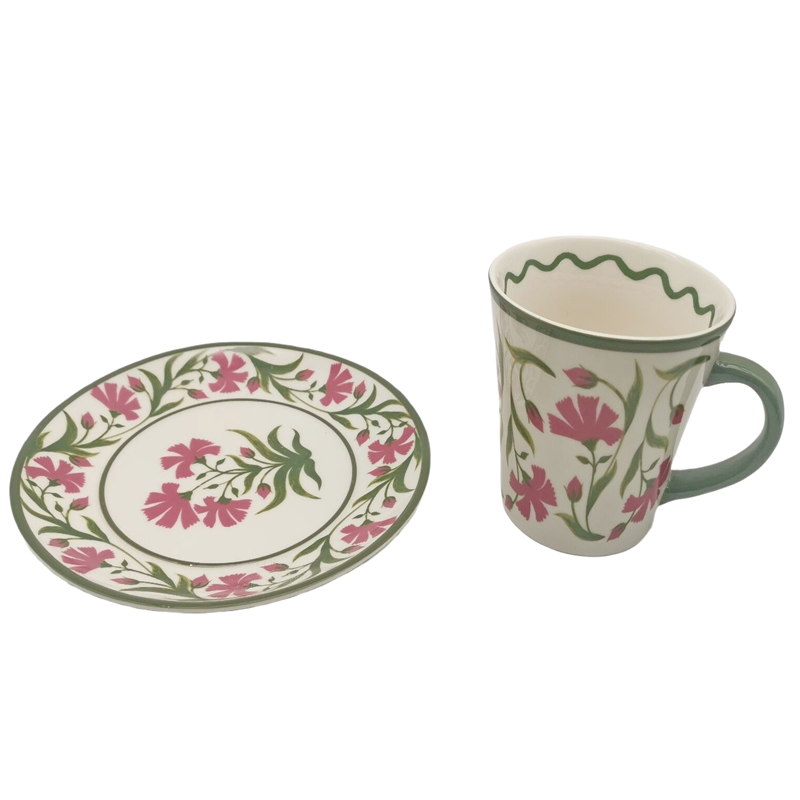
Ceramic cups and saucers come with a myriad of designs, colors, and patterns. From delicate floral motifs to bold geometric shapes, there is a style to suit every taste. This variety allows collectors to curate a visually stunning collection that can serve as a conversation starter.
Historical Significance
Each piece tells a story, reflecting the era in which it was made. Collecting ceramic cups and saucers enables individuals to appreciate the craftsmanship and cultural influences of different time periods.
Investment Potential
As with any collectible, there is potential for financial gain. Certain rare pieces can appreciate significantly over time. Knowledge of the market and trends can help collectors make informed decisions.
Market Trends for Ceramic Collectibles
Keeping abreast of market trends is vital for collectors. Certain designs or manufacturers may become more sought after based on current tastes or historical rediscoveries. Following auction results and collector forums can provide insights into the best investment opportunities.
Building Your Collection: Tips and Tricks
Starting and maintaining a ceramic cup and saucer collection can be both exciting and daunting. Here are some actionable tips to help you along the way.
Research Before You Buy
Before adding any pieces to your collection, conduct thorough research. Familiarize yourself with different styles, manufacturers, and historical contexts. Knowledge is your best tool in identifying valuable items.
Attend Auctions and Estate Sales
Auctions and estate sales can be treasure troves for collectors. You may find rare items that are not readily available in retail settings. Attend these events with a clear idea of what you are looking for to make the most of your experience.
Network with Other Collectors
Engaging with fellow collectors can provide valuable insights and tips. Join online forums or local clubs to share experiences, trade items, and learn from others in the community.
Online Platforms for Collectors
Websites such as Etsy, eBay, and specialized collectible sites offer vast selections of ceramic cups and saucers. Always verify the seller’s credibility and read reviews before making a purchase.
Maintaining Your Ceramic Collection
Proper care and maintenance are essential for preserving the beauty and value of your ceramic cups and saucers.
Cleaning and Care Techniques
Use gentle, non-abrasive cleaners to maintain the integrity of your ceramics. Hand washing is often recommended over using dishwashers, which can cause chips and scratches.
Storage Solutions for Your Collection
Appropriate storage is crucial in preventing damage. Store ceramics in a cool, dry place away from direct sunlight. Consider using display cabinets with UV protection to showcase your collection while keeping it safe.
Frequently Asked Questions
1. What makes ceramic cups and saucers valuable?
The value of ceramic cups and saucers is influenced by factors such as rarity, condition, age, and the manufacturer. Unique designs or historical significance can further enhance their worth.
2. How can I start collecting ceramic cups and saucers?
Begin by researching different styles and manufacturers. Attend auctions, estate sales, and check online platforms to find pieces that resonate with you.
3. Are all ceramic cups and saucers dishwasher safe?
Not all ceramics are dishwasher safe. Always check the manufacturer’s instructions. Hand washing is often safer, especially for delicate items.
4. How can I identify authentic ceramic pieces?
Look for markings or stamps on the bottom of the pieces, which can indicate the manufacturer. Researching known marks can help in identifying authentic items.
5. Can I invest in ceramic cups and saucers?
Yes, certain pieces can appreciate in value over time. Understanding market trends and collector preferences can help you make informed investment decisions.
Conclusion
In the world of collectibles, ceramic cups and saucers stand out for their artistic beauty, historical significance, and potential for financial appreciation. Whether you are drawn to their intricate designs, cultural stories, or investment potential, building a collection can be a rewarding endeavor. With proper research, care, and community engagement, you can enjoy the journey of collecting and sharing these exquisite items for years to come.


TEL: +86 18650113563
E-mail: info@panshion.com
Whatsapp: +60 18 760 6632
FACTRY Unit : Baomei Industrial area , Dehua county , Quanzhou,Fujian P.R., China. 362500.
OFFICE Unit : Donghai Cross-Border Eco Park, Bldg 4, Units 212-214, Fengze, Quanzhou, Fujian P.R., China 362000


Leave Message
Statement
Privacy Statement
This privacy policy discloses the privacy practices for Quanzhou Panshion Gift Co.,Ltd. Tools. This privacy policy applies solely to information collected by this web site. It will notify you of the following:
What personally identifiable information is collected from you through the web site, how it is used and with whom it may be shared.
What choices are available to you regarding the use of your data.
The security procedures in place to protect the misuse of your information.
How you can correct any inaccuracies in the information.
Information Collection, Use, and Sharing
We are the sole owners of the information collected on this site. We only have access to/collect information that you voluntarily give us via email or other direct contact from you. We will not sell or rent this information to anyone.
We will use your information to respond to you, regarding the reason you contacted us. We will not share your information with any third party outside of our organization, other than as necessary to fulfill your request, e.g. to ship an order.
Unless you ask us not to, we may contact you via email in the future to tell you about specials, new products or services, or changes to this privacy policy.
Your Access to and Control Over Information
You may opt out of any future contacts from us at any time. You can do the following at any time by contacting us via the email address or phone number given on our website:
See what data we have about you, if any.
Change/correct any data we have about you.
Have us delete any data we have about you.
Express any concern you have about our use of your data.
Security
We take precautions to protect your information. When you submit sensitive information via the website, your information is protected both online and offline.
Wherever we collect sensitive information (such as credit card data), that information is encrypted and transmitted to us in a secure way. You can verify this by looking for a closed lock icon at the bottom of your web browser, or looking for “https” at the beginning of the address of the web page.
While we use encryption to protect sensitive information transmitted online, we also protect your information offline. Only employees who need the information to perform a specific job (for example, billing or customer service) are granted access to personally identifiable information. The computers/servers in which we store personally identifiable information are kept in a secure environment.
Updates
Our Privacy Policy may change from time to time and all updates will be posted on this page.
If you feel that we are not abiding by this privacy policy, you should contact us immediately via e-mail donshin@panshion.com
Powered by 300.cn